Things Everyone Needs to Know about Muscles

June 2023 Newsletter — There are several things everyone needs to know about muscles: 1. Bones can’t move on their own. They are moved by your muscles which pull them in different directions. 2. Muscles are not independent structures and do not determine whether to spasm or not. It is Read more


By gadi_rm16u0, ago

Face physics and physiology to confront your spasms

January 2023 Newsletter — It’s a new year! Now is the perfect time to face reality. The reality is that the health of your body and its ability to function is based on 2 factors – physiology (aka stress) and physics (gravity). Let’s start with physiology. Any type of stress: physical, emotional or environmental will Read more

By gadi_rm16u0, ago

Recommit to your Health & Wellness

December 2022 Newsletter — The holidays are here and Gadibody wants you to be feeling your best! Lower back pain, neck pain and pain in general will put a damper on your holiday spirit, not to mention potentially prevent you from participating in all of your favorite activities. Back pain Read more

By Gadi Kaufman, ago

Muscles are not independent

To provide an effective therapy, first we have to communicate with the nervous system to release the spastic muscles, then to manipulate the muscular and the joints system. The manipulation of muscles and joints will be much more effective in this order. Muscle spasms are not a medical condition. It is a Read more

By Gadi Kaufman, ago

Understanding Biomechanics

The human body must obey certain physical laws in order to survive its environment.

These laws act on the body and trigger compensatory neurological and muscular activity, which commonly result in distortions of the human skeleton and muscle over activity known as muscle spasm. The resultant dysfunctions may include chronic pain, weakness and limited range of motion. However, by understanding a few key principles of biomechanics, many of these functional disturbances can be easily understood and corrected.

Read more »
By Gadi Kaufman, ago

Correct Computer Posture

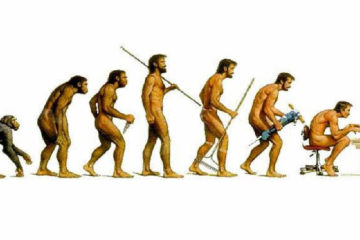
For millions of Americans, the workday is defined by hours spent sitting in front of a computer monitor. Computer use has become an integral part of our modern daily life. For these typical members of the modern workforce, a workday includes 8 to 12 hours daily spent seated at a desk. Naturally, the human body is not designed for such extended periods of sitting.

Read more »
By Gadi Kaufman, ago
Translate »